
Your home’s design, degree of tech proficiency, and long-term security requirements will all influence your decision between wired and wireless security cameras. Both systems have definite advantages, but they also have drawbacks of their own. While wireless cameras provide for more flexible placement and simpler do-it-yourself installation, wired cameras offer reliable connections and steady power. Whether you value expandability, convenience of setup, or image quality will determine which option is best for your needs. This guide helps you determine which option best suits your budget, level of installation expertise, and home protection objectives by outlining how each kind functions and comparing its key features.
What Is the Difference Between Wired and Wireless Security Cameras?
How Wired Security Cameras Work
Wired security cameras use coaxial or Ethernet wires to connect to a power supply and a central recording system, such as a DVR or NVR. These systems often allow for continuous video recording and need professional or semi-permanent installation. Because they transfer data via physical connections, wired cameras provide reliable, high-quality footage without the need for Wi-Fi. They are best suited for long-term usage in permanent sites and are less susceptible to signal interference. However, they are more difficult to shift and might take longer to install, particularly in existing properties. Wired systems are ideal for homeowners seeking consistent performance, extensive property coverage, and dependable round-the-clock recording.
How Wireless Security Cameras Work
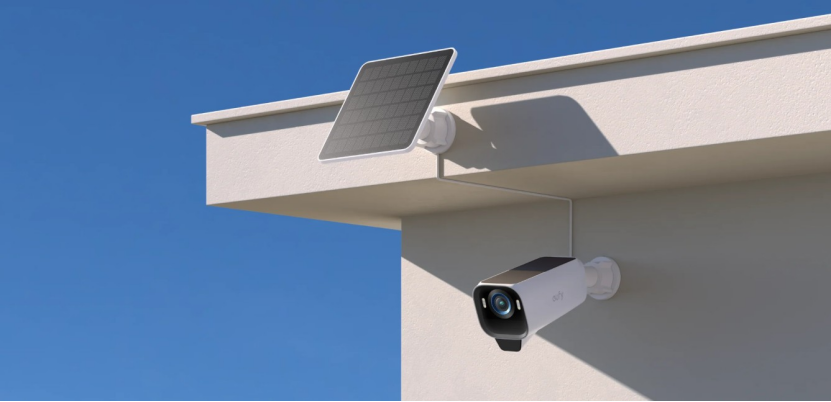
Wireless security cameras use your home’s Wi-Fi network to broadcast footage and warnings, but most require power from wires or rechargeable batteries. These cameras are popular because of their simple, adaptable installation and app-based operation. They may be placed practically anywhere within signal range, making them excellent for renters or individuals who prefer not to drill into walls. Many wireless versions include motion sensing, two-way audio, and cloud or local storage. However, they require robust Wi-Fi and may face signal loss or delays on high-traffic networks. They’re ideal for smaller houses or individuals who choose ease and smart home integration over permanent wiring.
Power, Connectivity, and Data Transmission Compared
Wired cameras are reliable for continuous use since they transmit video via wires and receive power from a wall source. Wireless cameras are powered by batteries or a power cord and rely on Wi-Fi to relay footage. Wired cameras are more difficult to install or extend, but they provide more reliable, high-resolution video without network disruptions. Although wireless solutions are more scalable and easier to deploy, they are susceptible to dead zones, connection drops, and battery exhaustion. While wireless cameras usually keep their video clips on microSD cards or in the cloud, wired systems record using DVRs or NVRs. Your decision ultimately comes down to whatever trade-off—convenience vs. reliability—you feel most at ease with.

How Do You Choose Between Wired and Wireless Security Cameras?
Installation Difficulty and Home Layout Considerations
Wired cameras need drilling, wire routing, and meticulous design, particularly in completed homes. Their installation is ideal for new construction or renovations in which wiring may be concealed. Wireless cameras, on the other hand, may be deployed in minutes using simple equipment, frequently requiring just Wi-Fi and a power supply. If your home has numerous storeys, thick walls, or a vast layout, think about how wiring and Wi-Fi coverage may affect performance. Outdoor cameras may also require weatherproofing and extension cords. Wireless systems are typically more suited to renters or temporary deployments. Homeowners with long-term goals or intricate layouts may benefit more from wired connectivity and centralized storage.
Maintenance, Scalability, and Long-Term Use
Wired systems need less continuing maintenance once installed, making them ideal for set-it-and-forget-it operation. They do not require battery replacements, and system improvements may include adding more cameras to the DVR/NVR hub. Wireless systems demand extra maintenance, such as battery charging, app updates, and Wi-Fi problems. They do, however, scale readily and often without the need for a sophisticated setup. If you want to extend your system or transfer cameras regularly, wireless provides greater flexibility. Wired systems often survive longer in situ, but wireless systems adapt better to changing demands. For long-term security with fewer interruptions, wired may be preferable. For mobility, flexibility, and rapid updates, wireless is frequently the preferred option.
Budget, Security Needs, and Lifestyle Fit
Wired security cameras often demand a larger initial expenditure for skilled installation and equipment, but they provide consistent, long-term service. They are ideal for homeowners seeking complete property coverage, little downtime, and constant video quality. Wireless cameras are often less expensive and better suited to tech-savvy consumers who value smart features, mobile access, and DIY control. Battery-powered devices provide greater flexibility for renters and individuals with smaller rooms. If you live in a smart home, wireless alternatives work well with voice assistants and home automation devices. Your lifestyle and finances should influence your decision—wired for dependability and permanency, wireless for adaptability, ease, and quicker setup.
Conclusion
Deciding between wired and wireless security cameras depends on your priorities: stability or flexibility, long-term use or ease of setup. Wired systems provide unrivaled dependability, consistent power, and superior performance for big houses or vital surveillance. Wireless systems provide rapid installation, remote control, and versatility, making them perfect for renters, tiny areas, and smart home integration. Each has drawbacks in terms of cost, complexity, and upkeep. Consider the layout of your house, your degree of technological comfort, and your long-term plans for expanding your system. Understanding how each kind works and assessing what is most important allows you to confidently select the arrangement that protects your property and simplifies your life.