
Recovery after childbirth often feels closely tied to feeding schedules, physical healing, and emotional adjustment. New routines can quickly reshape daily life, leaving little space for rest or reflection. Sleep interruptions, constant caregiving, and body changes may create ongoing fatigue. Over time, neglecting self-care can make these challenges feel heavier than necessary. Practical habits that fit naturally into everyday routines can ease this transition. Small, realistic adjustments often have a meaningful impact on well-being. In this article, essential self-care strategies are explored to help new moms feel more supported and balanced during early parenthood.

1. Prioritize Rest Around Feeding Times
Sleep When Baby Sleeps, Even During the Day
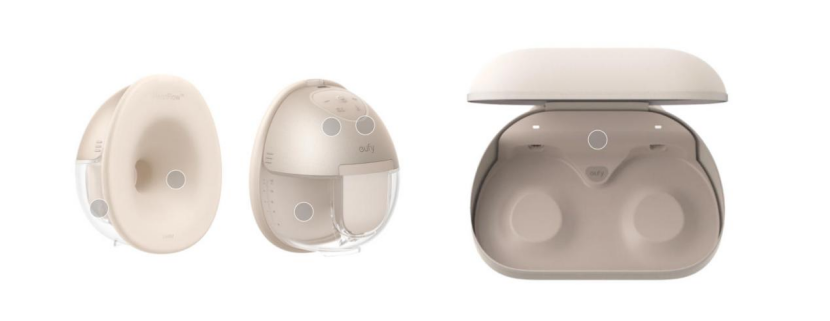
Daytime rest can help balance interrupted nights and restore energy during frequent feeding cycles. To make this easier, many parents look for tools that simplify feeding while allowing moments of quiet recovery. A hands-free, wearable breast pump—such as the eufy wearable breast pump—can support this rhythm. Its quiet, discreet design lets you move comfortably and rest when needed, so feeding fits smoothly into your day without extra demands. Over time, supporting rest around feeds can help maintain steadier energy—for you and your little one.
Share Night Feedings with Your Partner When Possible
Shared nighttime responsibilities can significantly reduce exhaustion. Alternating feedings allows longer sleep stretches for each adult. Clear communication helps prevent confusion during tired moments. Even partial support, such as handling burping or settling, makes nights feel lighter. Balanced roles encourage emotional connection and teamwork. Over time, shared care builds more predictable routines. Consistent rest improves patience and overall well-being.
2. Support Your Body Through Feeding
Stay Hydrated and Nourished While Breastfeeding or Bottle-Feeding
Fluid intake supports energy and overall comfort during frequent feeds. Keeping water nearby reduces the chance of dehydration. Nutrient-dense foods help stabilize blood sugar and mood. Simple snacks require less preparation during busy hours. Skipping meals often increases fatigue later in the day. Regular nourishment supports physical healing. Consistent hydration and nutrition make feeding periods more manageable.
Create a Comfortable Feeding Station with Snacks and Water
A prepared feeding area reduces stress during frequent sessions. Easy access to snacks and drinks saves time and effort. Comfortable seating supports posture and reduces strain. Good lighting helps maintain calm without overstimulation. Having essentials nearby prevents unnecessary movement. Over time, a dedicated station becomes part of a soothing routine. Comfort during feeds supports both physical and emotional health.
3. Accept Help with Household Tasks
Let Others Cook, Clean, or Run Errands
Outside support preserves energy for recovery and caregiving. Clear instructions help others provide effective assistance, ensuring tasks are done in a way that truly meets your needs. Reduced household workload creates more rest opportunities, which is essential during this demanding time. Accepting help allows you to focus on healing and bonding, turning your attention toward what matters most. Emotional stress often decreases with shared responsibility, as you no longer have to carry the mental load alone. Over time, this support system strengthens family balance and resilience.
Focus Only on Baby and Your Recovery at First
The early weeks benefit from simplified priorities, where less truly becomes more. Limiting responsibilities protects your physical and emotional health, preventing burnout before it starts. Recovery requires time and patience; it is not a process to be rushed. Letting go of external expectations reduces unnecessary pressure and creates space for you to adapt at your own pace. Daily routines will gradually become easier as you gain strength through adequate rest. This focused recovery supports your long-term well-being, enabling you to be more present in the future. Ultimately, prioritizing your health benefits the entire family, as a cared-for caregiver is better able to provide loving care.
4. Move Gently and Breathe Fresh Air
Take Short Walks with Baby for Energy and Mood
Gentle movement improves circulation and mental clarity. Fresh air often lifts mood and reduces stress. Short walks fit easily into daily schedules. Exposure to daylight supports sleep regulation. Physical activity does not need to be intense to help. Over time, regular walks boost stamina. Movement supports both recovery and emotional balance.
Do Simple Stretches While Feeding or Holding Baby
Light stretching relieves muscle tension from feeding positions. Simple movements improve flexibility and comfort. Stretching can be done without disrupting care. Awareness of posture reduces long-term strain. Gentle movement supports circulation. Over time, flexibility improves physical ease. Small stretches contribute to daily comfort.
5. Talk About Your Feelings and Adjust Expectations
Share feeding challenges or worries with a trusted person, and remember that perfect isn’t real—healthy and loved is enough. Opening up about your concerns reduces emotional burden, normalizes common struggles, and allows supportive listeners to offer reassurance and perspective. Unrealistic expectations often increase pressure, yet daily routines rarely follow an ideal plan. By expressing your emotions and staying flexible, you can adapt to the changing needs of feeding, prevent feelings from building up silently, and focus on what truly matters: progress over perfection, and the loving care that supports healthy development.
Conclusion
New mom self-care is built through realistic habits that fit into everyday life. Prioritizing rest around feeding times, supporting the body with nourishment, and accepting help all contribute to steadier energy. Gentle movement and emotional openness further support recovery. Expectations that focus on health rather than perfection reduce stress. Over time, these strategies create sustainable routines. Consistent self-care benefits both parent and baby. With patience and practical adjustments, early motherhood becomes more balanced and manageable.