As family members age, home safety becomes crucial, since even minor hazards can pose serious risks. Maintaining independence for elderly individuals requires a blend of environmental modifications, technology, and daily vigilance. Simple, practical measures—from smart home tools to thoughtful daily routines—can prevent accidents and foster well-being. This article explores key, actionable strategies to help keep seniors safe and secure at home.
1. Fall Prevention Essentials
Clear Walkways and Improve Lighting
Cluttered hallways, loose rugs, and obstructed pathways are common sources of trips and falls. Removing obstacles and ensuring clear walkways reduces risks substantially. Adequate lighting is equally important, especially in areas used frequently at night. Nightlights, motion-activated bulbs, and well-placed lamps help illuminate steps and corners. Changing bulbs seasonally ensures that light levels remain sufficient as natural daylight shifts. Reflective tape on stairs or thresholds provides extra visual guidance. Regularly reviewing these areas for new hazards helps maintain safe movement throughout the home.
Install Safety Rails and Non-Slip Mats
Bathrooms and staircases are frequent sites for slips and falls among elderly individuals. Installing sturdy rails along stairs, showers, and near toilets provides immediate support when balance falters. Non-slip mats in wet areas reduce the likelihood of accidents during routine tasks. Mats should be secured to prevent curling or movement. Safety rails should be checked periodically for firmness. These adjustments create safer environments without reducing independence. Combined with clear walkways and lighting, they form the foundation of an effective fall prevention strategy.
2. Smart Home Monitoring Systems
Use Cameras for Daily Activity Check-Ins
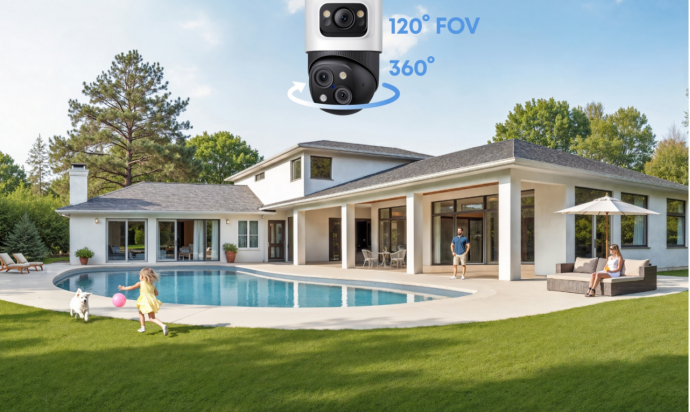
Caring for an elderly family member often means finding gentle ways to stay connected. Placing a camera in a common area offers a discreet check-in, especially during the day or evening when you’re apart. With continuous, reliable recording—like eufy’s continuous recording security camera—you can keep a consistent view of daily routines without being intrusive. Quiet alerts notify you if something seems unusual, so you can respond when needed. This balance of awareness and privacy helps you support their independence while staying at ease.

Install Motion Sensors for Fall Detection
Motion sensors can detect sudden inactivity or unusual movement patterns that may indicate a fall. Strategically placing sensors near bathrooms, hallways, and bedrooms ensures coverage where incidents are most likely. Alerts can be sent directly to caregivers, allowing rapid assistance. Sensors are generally non-intrusive and do not interfere with daily routines. Combined with regular check-ins, they enhance overall home safety. Monthly testing and battery checks maintain reliable function. Integrating these tools provides confidence in the household’s ability to respond promptly to emergencies.
3. Emergency Response Setup
Provide Wearable Emergency Buttons
Wearable emergency buttons allow elderly family members to summon help quickly in any part of the home. Necklaces, bracelets, or clip-on devices keep assistance within immediate reach. The devices should connect directly to caregivers or emergency services. Monthly testing ensures proper functionality and comfort. Clear instructions and practice improve familiarity and usage. Devices with long battery life reduce maintenance stress. Incorporating these tools supports both independence and safety simultaneously.
Connect Smoke Alerts to Caregiver Phones
Smoke and carbon monoxide alerts are critical for elderly residents who may sleep deeply or have slower reaction times. Connecting alarms to caregiver phones ensures notifications are received promptly. This setup allows for immediate intervention even when the resident is unaware. Alerts should be tested regularly to confirm proper connection. Placement of alarms in bedrooms, kitchens, and hallways ensures comprehensive coverage. Consistent attention to these alerts mitigates fire-related risks. Integrating technology in this way combines proactive safety with peace of mind.
4. Health Management Tools
Use Automated Medication Dispensers
Automated dispensers reduce the risk of missed or incorrect doses. These devices provide visual and auditory reminders and dispense the correct quantity at scheduled times. Caregivers can receive notifications if doses are skipped. Dispensers help maintain independence while minimizing errors. Regularly checking supplies and settings ensures ongoing effectiveness. Devices can be programmed to match daily routines and lifestyle changes. Incorporating them into home routines supports consistent health management.
Set Up Appointment Reminders
Regular medical appointments are essential for managing chronic conditions. Using phone alarms, calendar alerts, or smart home reminders helps elderly family members keep track of visits. Notifications can be tailored to allow sufficient preparation time. Combining reminders with caregiver check-ins reduces missed appointments. Visual cues and clear instructions enhance comprehension and adherence. A monthly review of schedules keeps reminders current and accurate. This structured approach promotes ongoing health and well-being.
5. Home Security Measures
Install Video Doorbells for Visitor Screening
Video doorbells allow elderly residents to safely see and communicate with visitors without opening the door. They provide a real-time view of anyone at the entrance. Notifications alert users when someone approaches, enhancing awareness. Video records can be reviewed to track deliveries or unfamiliar visitors. These tools offer security without restricting independence. Regular maintenance ensures cameras and notifications work properly. Visual verification helps prevent accidental exposure to potential risks.
Educate About Common Scams
Awareness of scams, both online and in person, reduces vulnerability. Simple instructions regarding phone calls, emails, or unexpected visitors protect personal information. Clear guidelines on verifying identities and avoiding pressure tactics are essential. Repetition and reinforcement help elderly residents remember precautions. Caregivers can periodically review past incidents to reinforce learning. Education complements physical and technological safety measures. Informed residents gain confidence in handling unfamiliar situations.
Conclusion
Maintaining elderly family safety requires a combination of fall prevention, smart monitoring, emergency preparedness, and health management. Integrating practical tools into daily routines minimizes risks while supporting independence. Thoughtful choices, such as wireless cameras for discreet daily check-ins, ensure continuous awareness without creating a sense of intrusion. When combined with environmental adjustments and caregiver engagement, these strategies form a balanced, effective approach to home safety.